
To establish an idea for potential organisations I could work with in the future or gain experience from and learn more about there conservation efforts, I travelled to many different aquariums in order to gain a broad idea of what different aquariums are doing for conservation, and to broaden my knowledge of fish in general.
This blog post will describe some of the aquariums I visited, where they are located, general information and anything they are doing for conservation efforts.
Anglesey sea zoo

Photo link:
https://www.angleseyseazoo.co.uk/en/seahorse-breeding-programme
Anglesey Sea Zoo is situated on the Isle of Anglesey. It has over 40 tanks displaying British marine wildlife. These include many different species found around the coast of the UK, including: an octopus, lobsters, seahorses, conger eels and jellyfish.
Anglesey Sea Zoo has developed and is running captive breeding, release, conservation and education programs. There current conservation work includes:
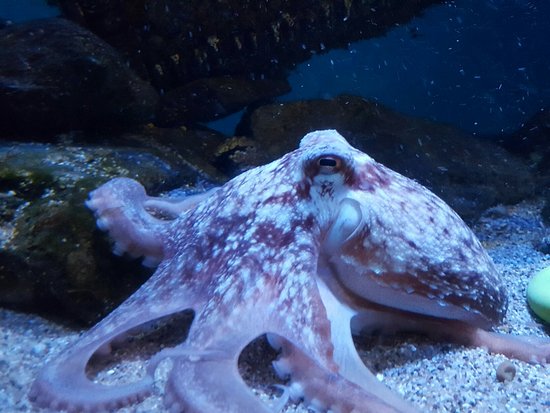
Photo link:
https://www.tripadvisor.co.uk/ShowUserReviews-g552020-d295846-r548347322-Anglesey_Sea_Zoo_Sw_Mor_Mon-Brynsiencyn_Anglesey_North_Wales_Wales.html
- The Lobster Hatchery of Wales- have three main aims which is to improve the yearly output of juveniles, to improve an educational and informative exhibit to inform others of the lobsters life cycle, the hatchery set up and the local fishery, and to provide a site where further research on these organisms can take place. All these aims help to protect lobsters.
- Seahorse Conservation Programme
- Crawfish Research Programme
All these conservation efforts help to preserve the species, as well as help to educate the public on what they can do to help.
To find out more information about Anglesey sea zoo here is a link to there website: https://www.angleseyseazoo.co.uk/en/
Blue reef
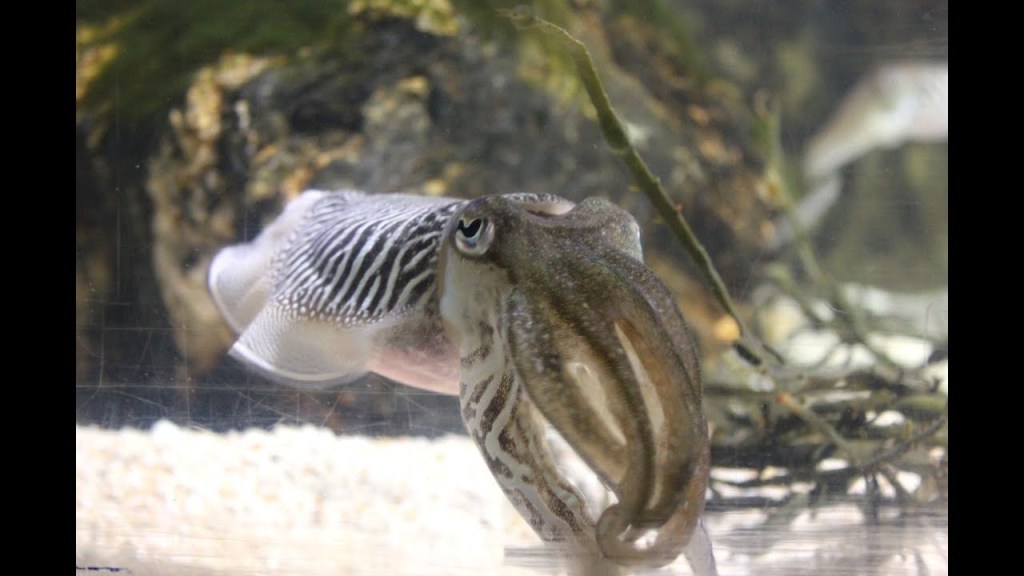
Photo link:
https://www.youtube.com/watch?v=a2-_b9__iWw
Blue reef aquarium is situated in Newquay, Cornwall. It is home to 40 naturally-themed habitats, ranging from a variety of different species found on both the Cornish coast and the more exotic seas. For example: freshwater turtles, caiman, black tip reef shark and pufferfish.
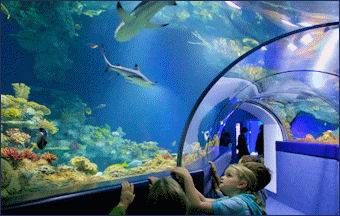
Photo link:
http://www.cornwalltour.co.uk/blue_reef.html
Blue reef also have some conservation efforts that they inform there visitors about how they can reduce there carbon footprint, where they can shop or buy products sustainably, including fish from sustainable fisheries.
Blue reef also support many conservation charities, such as:
To find out more information on Blue reef aquarium, here is a link to there website: https://www.bluereefaquarium.co.uk/newquay/at-the-aquarium/conservation/
My reflection
By visiting many different aquariums it furthered my knowledge in different fish found in different areas, as some aquariums had more local species to the area, as well as my knowledge on fish in general. I also furthered my knowledge around conservation and how different places are running conservation programs, as well as running talks for the general public to attend to learn more about conservation and what they can do to help. There was also a lot of school trips at certain aquariums so this is a great opertunity to inspire the younger generation about conservation and what they can do about it, and it may inspire some children to persue a carrer in marine biology.
But this has defiantly further my knowledge in conservation and gained further knowledge in the career choice i want to pursue.
 oceanmarinebiology.science.blog