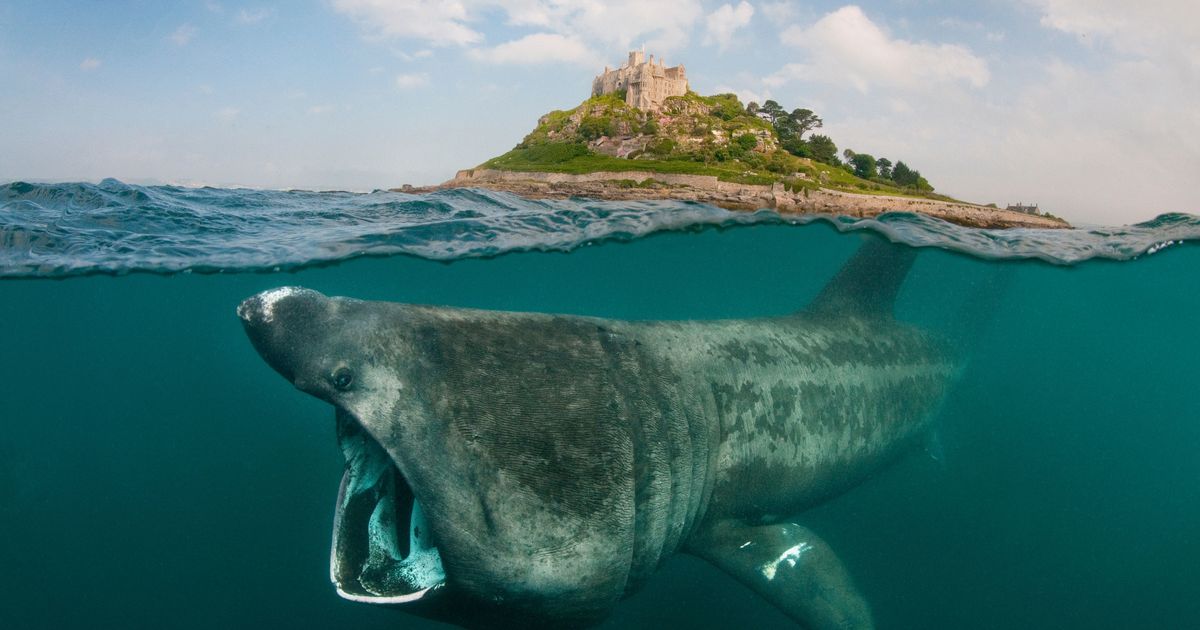
I carried out a days surveying with marine discovery, in Penzance, Cornwall. Learning different surveying techniques on water quality, sediment and surveying species sightings.
Penzance
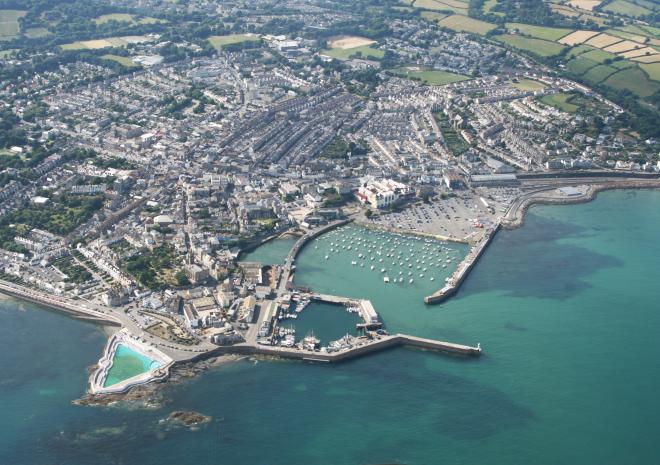
Penzance is an area in West Cornwall, which is home to a variety of wildlife ranging from marine to land, with a rich array of both flora and fauna. Penzance is a small town, and port in Cornwall, in England. It is the most westerly major town in Cornwall and has a population of around 20,000. It is situated on the coast line which makes it a perfect spot to see marine life in there natural habitat.
Marine discovery
Marine discovery is an organisation devoted to ecotourism and teaching the public about the importance of conservation and protecting our oceans. They provide trips out on sailing catamarans which usually sail for around an hour before coming back to the harbout. In this time they take tourists or the public local to the area out on discovery trips to learn about the species found in this area.
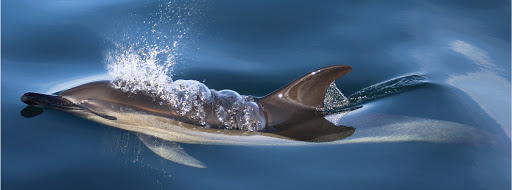
Photo link:
http://www.marinediscovery.co.uk/
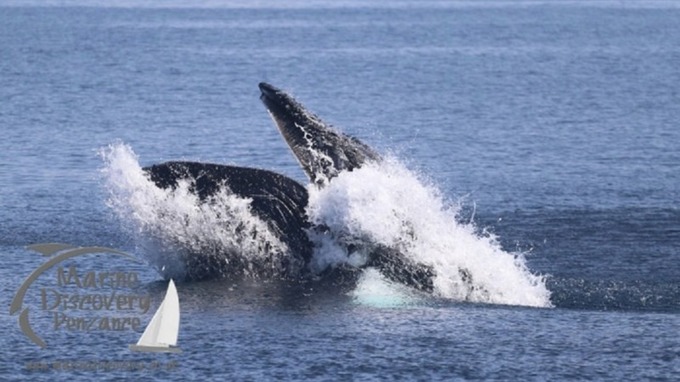
Photo link:
https://londonlovesbusiness.com/watch-humpback-whale-spotted-off-the-coast-of-penzance/
Trips often encounter Grey seals (Halichoerus grypus), various seabirds, Short-beaked common dolphins (Delphinus delphis), Harbour porpoises (Phocoena phocoena), Ocean sunfish (Mola mola). But on rare ocassions can even encounter minke whales (Balaenoptera acutorostrata), Humpback whales (Megaptera novaeangliae), Basking sharks (Cetorhinus maximus) and Leatherback turtles (Dermochelys coriacea). This gives a lot of people the chance to encounter species that they may have never seen before and in there natural habitat, causing minimal amounts of disturbance to the species themselves. Marine Discovery even went on to win the Responsible Whale and Dolphin Watch Operator of the year in 2013, which shows what they do is having a positive impact.
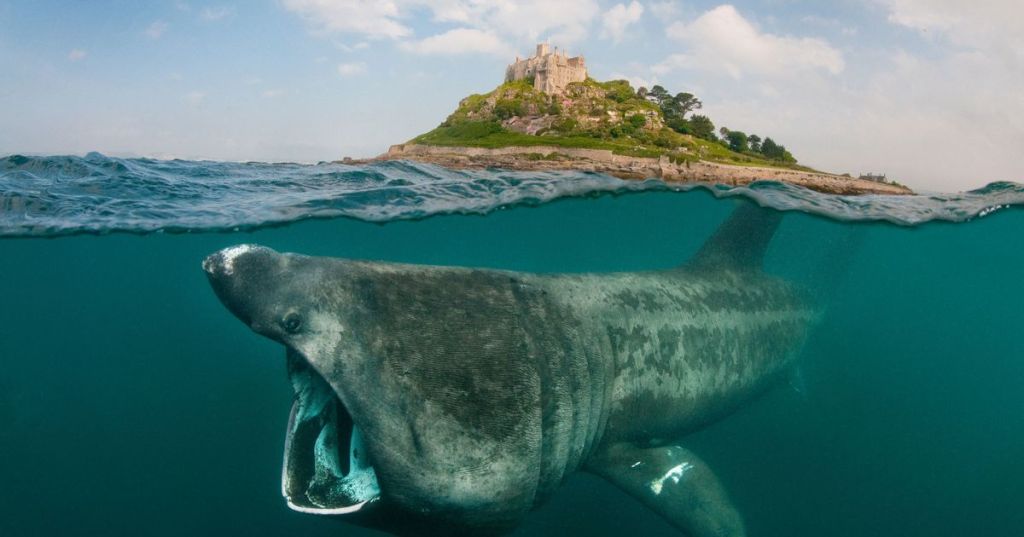
Photo link:
https://www.cornwalllive.com/news/cornwall-news/basking-sharks-filmed-using-underwater-3177998
Marine discovery also collects scientific data constantly to determine population density of species in the area, water quality and health of species. I helped collect some of this data with a team of 10 other scientists.
To learn more about Marine discovery here is a link to there website: http://www.marinediscovery.co.uk/
My reflection
Marine Discovery allowed me to further my knowledge in the tourism industry, and how to educate the public on conservation issues. As well as learn vital skills on collecting data and surveying areas, which could be useful in any projects i do in later life and my future carer.
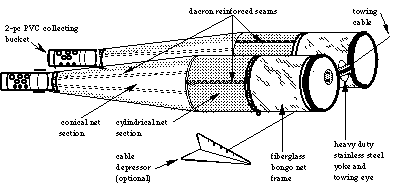
Photo link:
http://www.aquaticresearch.com/bongo_nets_files/aquatic_research_instruments_bongo_nets.htm
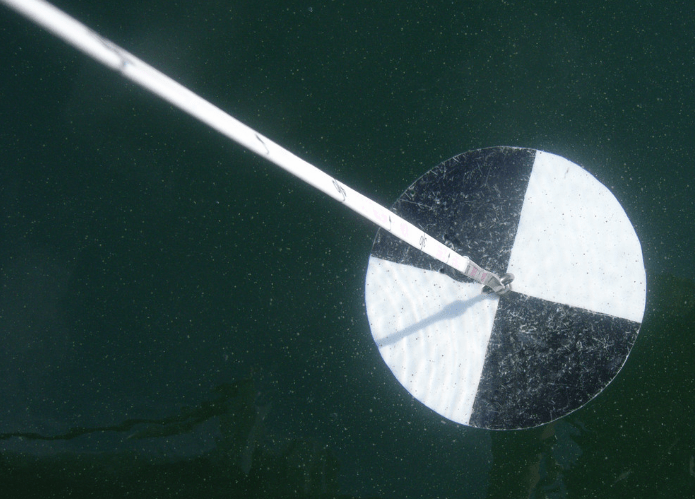
Photo link:
https://publiclab.org/questions/stevie/03-13-2018/has-anyone-built-a-secchi-disk-before
With Marine Discovery one of the survey techniques i learnt about were Secchi disk sampling. This is when you lower a plain white disk (usually 30cm) off the side of a boat and lower it until you cant see the disk any longer. This then tells you the clarity of the water depending on how deep you can see the disk for. Another surveying technique i got to learn about was photo identification. This just involved sitting on the boat and using past photographs to see if the same individuals are in the area, and to take photos of individuals that may have not been surveyed before. The final survey that I helped conducted was a plankton survey. This involved using a bongo net (double netted plankton net) pulled behind the boat for 30minutes then taken out the water, any samples that were collected were then bottled and labelled for further analysis back in a lab.
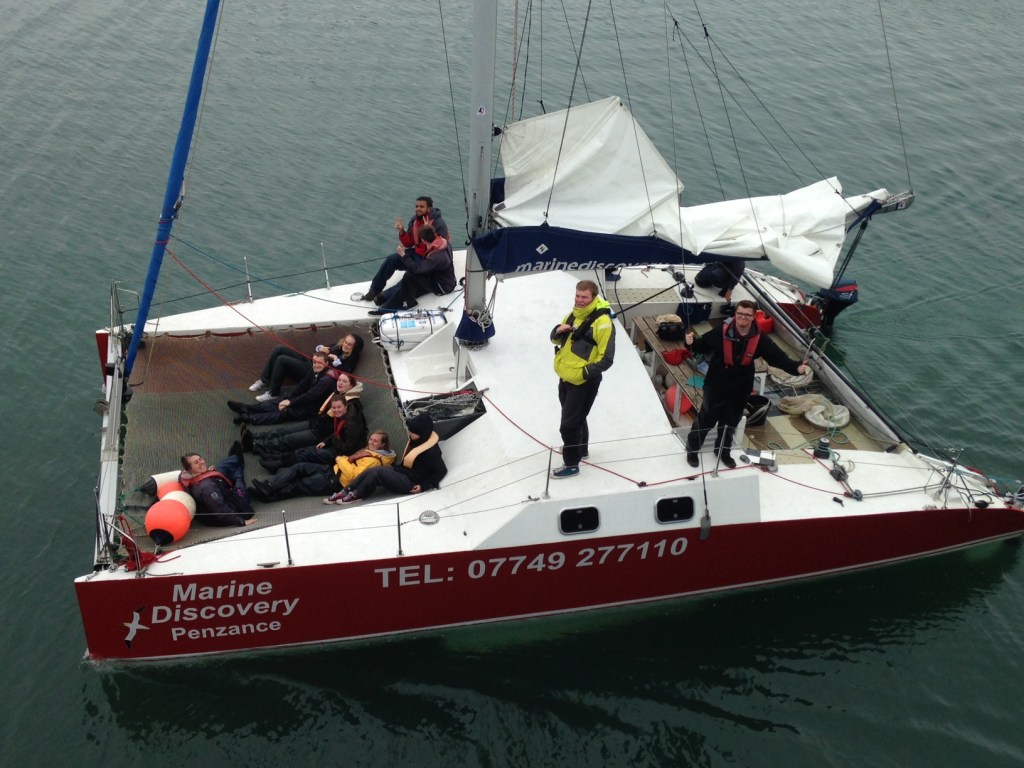
So, while being out with Marine Discovery I have learnt many valuable skills which can be used in future jobs, as well as further my knowledge in the tourism industry, and different conservation statuses in different areas. It also taught me vital skills about team work and how to work with others to collect the maximum amount of data.
 oceanmarinebiology.science.blog